
Flat lay vs on-model photography: which converts better for fashion ecommerce?
Short answer: on-model wins. Across published A/B tests, apparel listings with on-model product photos convert 20–33% better than identical garments shown as flat lays or on ghost mannequins — and they cut returns by 15–25%. The only reason most brands still shoot flat lays is cost. AI fashion photography removes that trade-off.
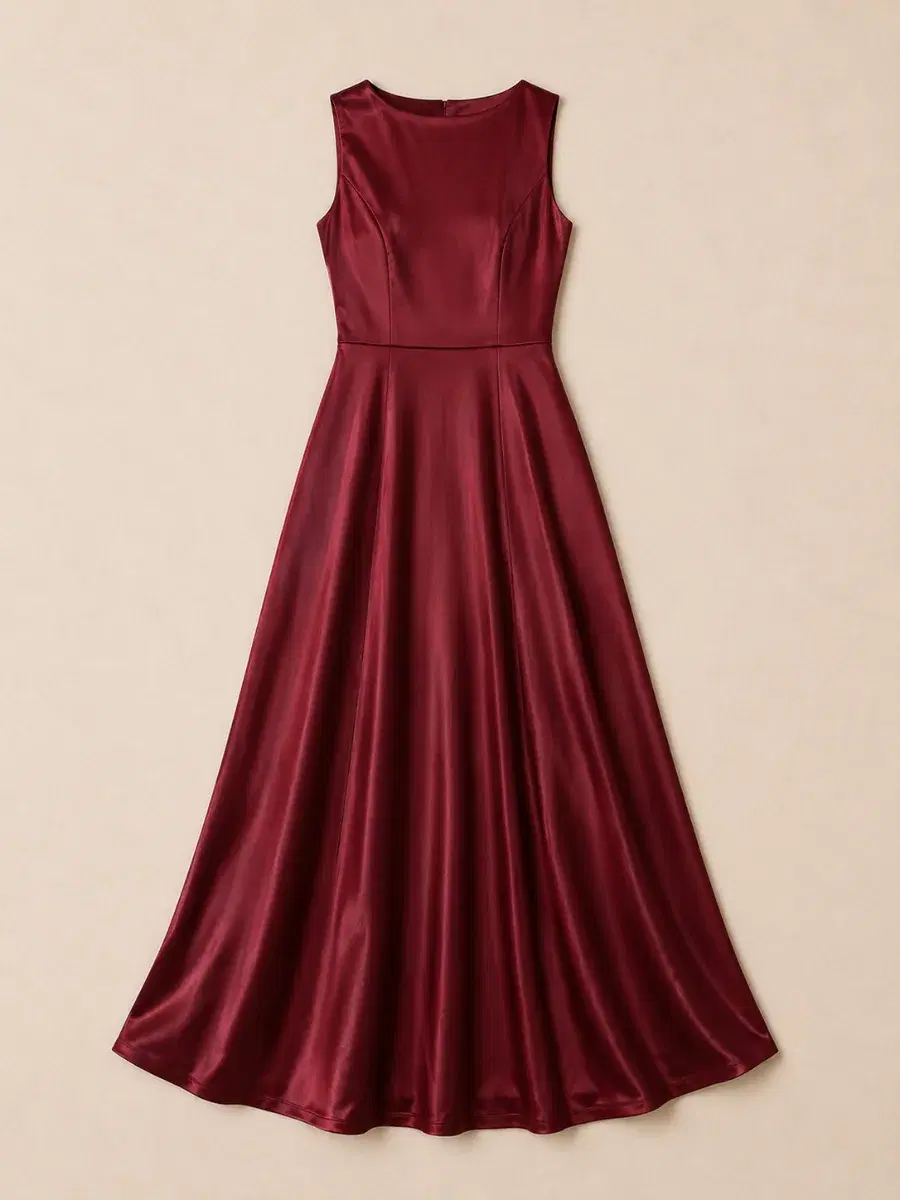
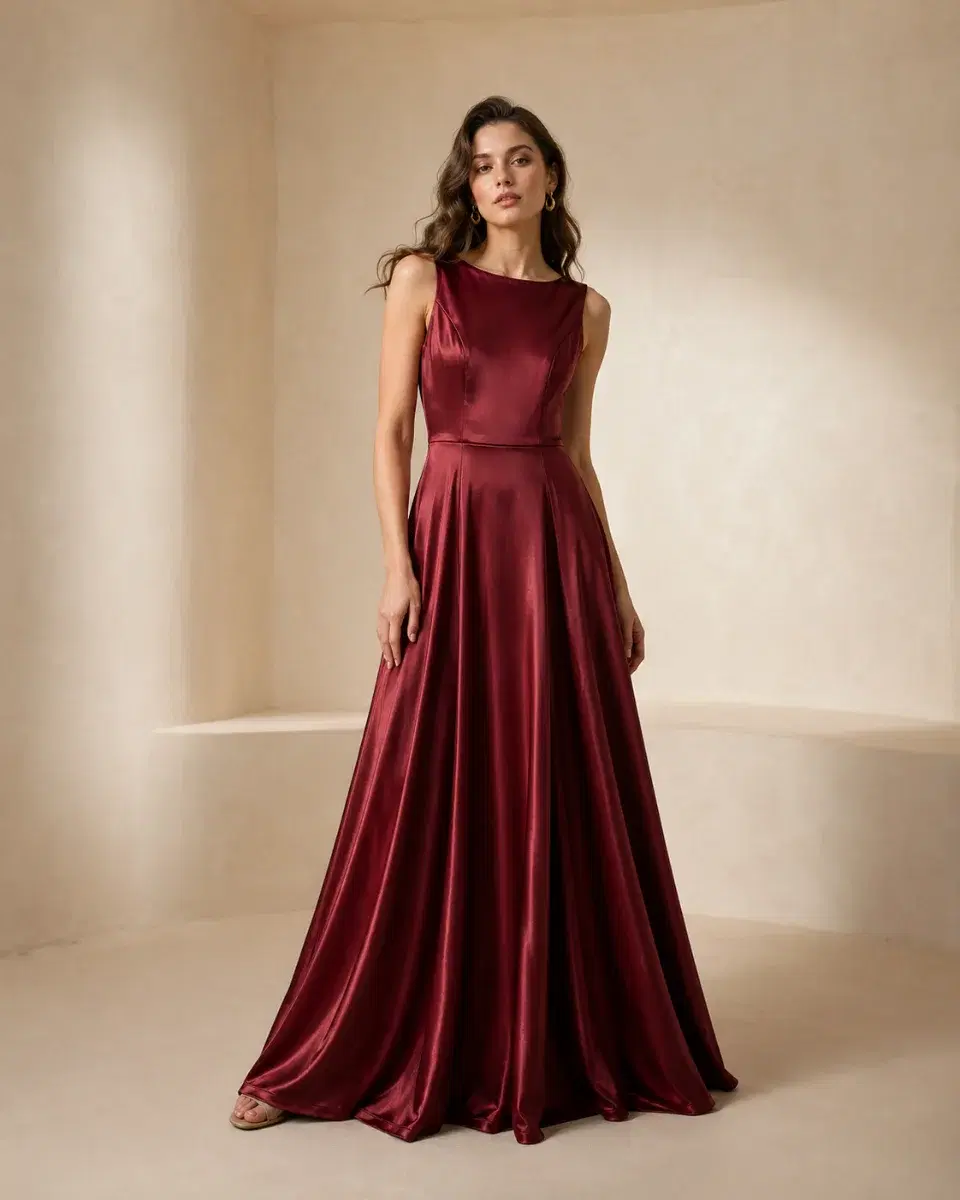
What’s the difference?
Flat lay photographyshoots the garment laid flat on a surface, styled from above. It’s fast and cheap — no model, no studio booking — which is why it dominates small-brand catalogues and marketplace listings.
On-model photographyshows the garment worn by a real (or AI-generated) model. Shoppers see drape, fit, proportion and styling context — the exact things that make someone confident enough to buy clothing they can’t touch.
The numbers: what brands see when they switch to on-model
The performance gap is consistent across studies of fashion product pages. In a 2025 survey by Stylitics and Aha Studio, 76% of shoppers said on-model photos are the most useful image format for making a buying decision — ahead of flat lays, collages and mannequin shots.
A/B tests across apparel categories show on-model product photos converting 20–33% better than the same garments shown as flat-lays or on ghost mannequins. — Industry A/B benchmarks (Metamodels, Photta, 2025–26)
View data as table
| Metric | Reported lift |
|---|---|
| Conversion rate | +20–33% |
| Time on page | +40–60% |
| Fewer returns | −15–25% |
The returns number matters most for the bottom line. Online apparel return rates run 24–30%, and nearly half of those returns happen because the item didn’t match what the photos suggested. Showing the garment on a body is the cheapest fix that exists.
Why on-model photos outperform flat lays
- Fit and drape are visible. A flat lay can’t show how a kurta falls, where a hemline sits, or how fabric moves — the top questions shoppers have.
- Higher click-through. In crowded marketplace grids on Myntra, Ajio or Amazon, on-model thumbnails pull up to 30% more clicks than flat-lay tiles.
- Trust and polish. On-model imagery reads as an established brand; flat lays read as a reseller. Shoppers price that in.
- Styling context sells the look. Models show the outfit, not just the item — lifting average order value through cross-sells.
Flat lays still have a place: detail crops, fabric close-ups, size-chart references and secondary gallery images. The data case is specifically about the primary listing photo.
The catch: traditional on-model shoots are expensive
In India, bundled ecommerce catalogue shoots run ₹400–850 per garment for model, studio and photographer — and experienced models alone charge ₹15,000+ per day. A shoot day covers 40–60 garments, so a 200-piece catalogue means multiple shoot days, coordination, and 2–4 weeks before retouched images land in your inbox. That’s exactly why most growing brands settle for flat lays despite the conversion penalty.
You save ₹37,500 (−60%) — and get your shots the same day instead of waiting weeks.
Assumes ₹625/garment for a traditional shoot (midpoint of ₹400–850 bundled catalogue rates in India, covering model, studio and photographer) and 5 on-model poses per garment on GenWear at 10 credits per 2K image (₹5/credit on the Essential plan).
Turn your flat lays into on-model photos with AI
GenWear closes the gap from the other direction: upload the flat-lay photos you already have, pick a model, pose and scene, and generate campaign-ready on-model photoshoots in minutes — see how it works. The garment stays pixel-accurate, the model stays consistent across your whole drop, and crops come out marketplace-ready for Myntra, Ajio and Amazon. Browse on-model results across categories — ethnic wear, sarees, western wear, kidswear — or compare plans and per-shoot pricing.
Try it on your own garment. Every new account gets 120 free credits — enough for your first two on-model shoots. No card, no commitment.
Generate your first shoot freeFrequently asked questions
Is flat lay or on-model photography better for conversions?
On-model photography converts better for apparel. Across published A/B tests, product pages with on-model photos convert 20–33% better than the same garments shown as flat lays or on ghost mannequins, because shoppers can judge fit, drape and proportion.
Why do on-model photos reduce returns?
Apparel return rates run 24–30%, and a large share of returns happen because the item didn't look or fit as expected. On-model images show how a garment actually sits on a body, which cuts return rates by 15–25% when used as the primary product photo.
How much does an on-model photoshoot cost in India?
Bundled ecommerce catalogue shoots in India typically run ₹400–850 per garment covering model, studio and photographer, with model day rates from ₹15,000 upwards. A typical shoot day covers 40–60 garments and turnaround is usually 2–4 weeks including retouching.
Can AI turn flat lay photos into on-model images?
Yes. AI fashion photography tools like GenWear take a flat-lay or product shot, keep the garment pixel-accurate, and generate marketplace-ready on-model photos in minutes — with your choice of model, pose and scene, at a fraction of studio cost.