Ghost mannequin vs AI model photography: which sells more clothing?
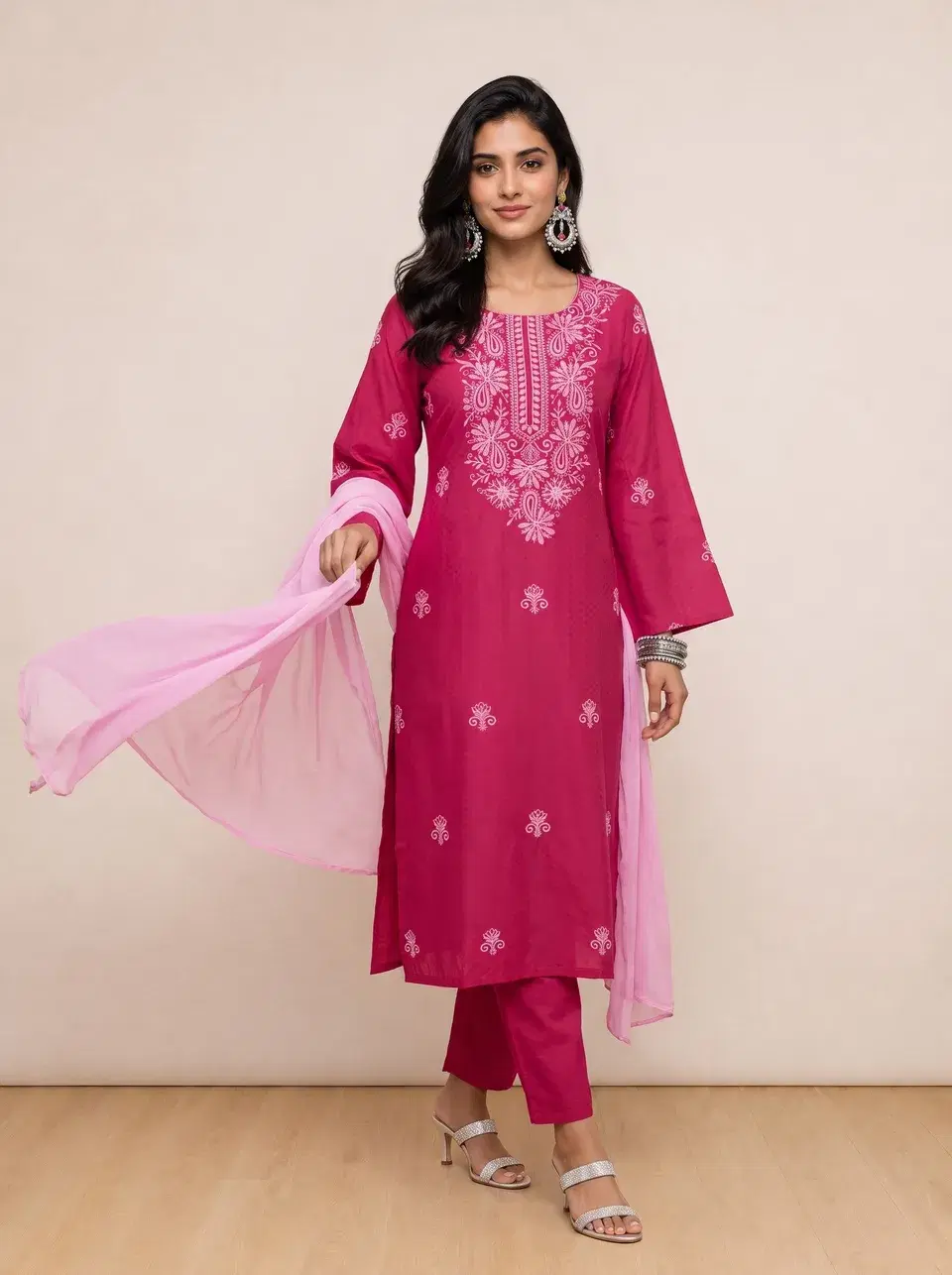
Ghost mannequin photography was the budget upgrade from flat lays — but it stops short of the thing shoppers actually want: seeing the garment on a body. On-model imagery converts 20–30% better than ghost mannequin shots, and AI now produces it from the photos you already have, for less than the mannequin edit used to cost.
What is ghost mannequin photography?
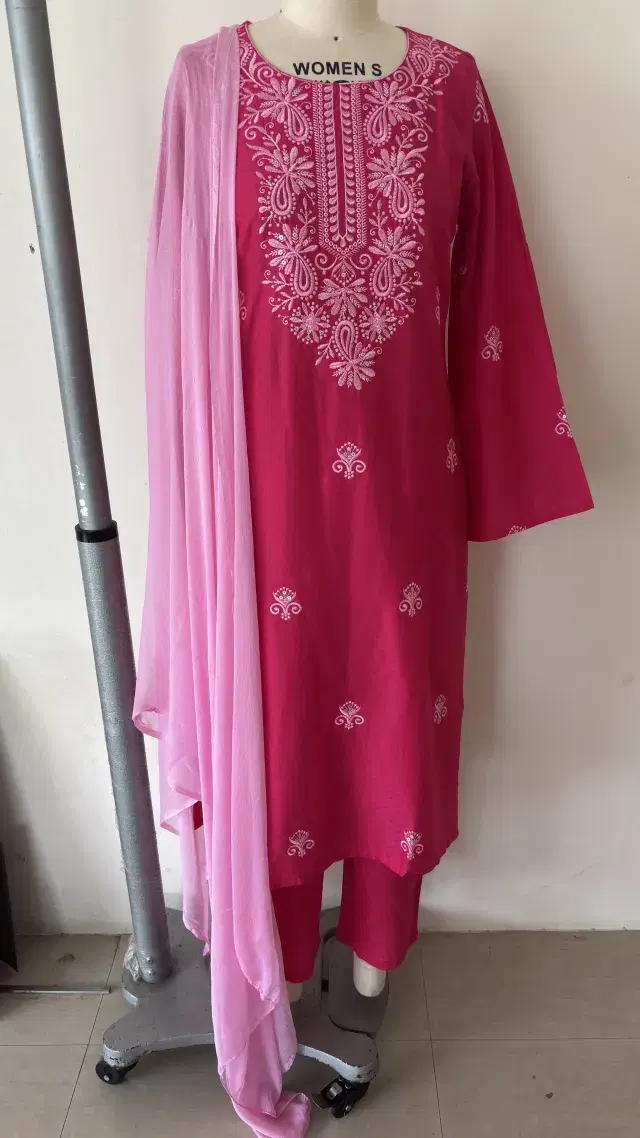
A ghost mannequin (invisible mannequin) shot photographs the garment on a mannequin, plus a second shot of the inside neck label, then composites them in editing so the mannequin disappears. You get the garment’s 3D shape on a clean background — more dimensional than a flat lay, cheaper than hiring a model. (New to the technique? Start with our full ghost mannequin photography guide.)
It earned its popularity: ghost mannequin images lift conversions 20–40% over flat lays, and in Baymard’s usability testing, 56% of shoppers’ first action on a product page is exploring the images. Better images are not cosmetic — they are the product page.
Where ghost mannequins fall short
- Shape isn’t fit. A hollow garment shows structure, but not how fabric drapes on shoulders, where a hem falls, or how a silhouette reads on a real body — the exact doubts that cause apparel returns.
- The “hollow” look reads generic. Every marketplace grid is full of floating garments; on-model thumbnails stand out and pull more clicks.
- The workflow is slower than it looks. You still need a mannequin, a studio setup, two shots per garment and an editing pass — typically days of turnaround per batch.
- No styling context. No model means no outfit, no aspiration, no cross-sell.
The numbers: ghost mannequin vs on-model imagery
Published A/B data consistently puts on-model imagery 20–30% ahead of ghost mannequin shots on conversion — on top of the engagement and returns improvements that come with showing fit:
A/B tests across apparel categories show on-model product photos converting 20–33% better than the same garments shown as flat-lays or on ghost mannequins. — Industry A/B benchmarks (Metamodels, Photta, 2025–26)
View data as table
| Metric | Reported lift |
|---|---|
| Conversion rate | +20–33% |
| Time on page | +40–60% |
| Fewer returns | −15–25% |
Cost and workflow, side by side
| Attribute | Ghost mannequin | GenWear AI model |
|---|---|---|
| Workflow | Mannequin shoot + inside-neck shot + compositing/editing | Upload the shot you already have; pick model, pose, scene |
| Cost per garment | $15–50 (~₹1,300–4,300) all-in; editing alone $0.50–2/image | ~₹250 for a 5-pose on-model set (₹50/image) |
| Turnaround | 3–7 days (editing queue) | Minutes |
| Shows fit & drape on a body | No — shape only, no fit context | Yes — full on-model context |
| Model variety | None (no model at all) | Any age, body type or skin tone; consistent across a drop |
The economics are stark: a traditional ghost mannequin image lands at $15–50 (roughly ₹1,300–4,300) per garment all-in, while an AI on-model set costs about ₹250 for five poses — and skips the mannequin, the studio and the editing queue entirely.
When ghost mannequins still make sense
Structured pieces where interior construction is the selling point — blazers, jackets, lehengas with detailed lining — can still benefit from a ghost mannequin shot in the secondary gallery. The data case is about the primary listing image, and there, a model wins.
Skip the mannequin: AI models from the shots you have
GenWear generates on-model photoshoots straight from your existing product shots — flat lays or mannequin photos — keeping the garment pixel-accurate while you pick the model, pose and scene: see how it works. Lock one model across a whole drop, and export marketplace-ready crops for every category — ethnic, western, sarees, kidswear — with plans starting at ₹1,499/month.
Try it on your own garment. Every new account gets 120 free credits — enough for your first two on-model shoots. No card, no commitment.
Generate your first shoot freeFrequently asked questions
What is ghost mannequin photography?
Ghost mannequin (or invisible mannequin) photography shoots a garment on a mannequin, then edits the mannequin out in post-production — usually by compositing a separate inside-neck shot. The result shows the garment's 3D shape floating on a clean background, without a model.
Is ghost mannequin or on-model photography better for conversions?
On-model wins. Ghost mannequins outperform flat lays, but on-model imagery converts 20–30% better than ghost mannequin shots because shoppers can see fit, drape and proportion on a real body — the main things that drive apparel buying decisions and returns.
How much does ghost mannequin photography cost?
Editing alone runs $0.50–2 (roughly ₹45–170) per image from bulk retouching services, but the full workflow — mannequin, studio shoot and post-production — typically lands at $15–50 (roughly ₹1,300–4,300) per garment, with editing turnarounds of several days.
Can AI replace ghost mannequin photography?
Yes. AI fashion photography tools like GenWear take the mannequin or flat-lay shots you already have and generate on-model photos directly — skipping the neck-joint editing step entirely, at around ₹50 per marketplace-ready image, in minutes instead of days.